
TULSA-PRO · Prostate treatment evidence
TULSA-PRO for BPH: early results for blocked urine flow
Two small studies suggest TULSA may improve urine flow and symptoms in some men with a non-cancerous enlarged prostate (BPH). Neither study compared it with other treatments. First, confirm that the prostate is really blocking urine flow.
Medically reviewed by Michael O. Koch, MD · September 23, 2026 · Updated September 30, 2026
Confirm what is causing the urinary problem
BPH stands for benign prostatic hyperplasia. It means the prostate has grown larger without cancer. BPO stands for benign prostatic obstruction. It means the prostate is blocking urine flow. Size alone does not tell you that. Before you talk about destroying tissue, ask what shows a blockage. Ask what other causes of your symptoms were checked. A prostate check may include your history, an exam, urine or blood tests and tests of how you pass urine. PSA alone cannot tell apart every possible cause. NIDDK explains what prostate tests check.
The goal is also different from a cancer study. A BPH visit should focus on your urinary problem, how much it bothers you and measured urine flow. A lower symptom score is not cancer control. And a cancer result cannot prove relief of a blockage.
Read the two BPH studies separately
| Study | Results at 12 months | Limits and safety |
|---|---|---|
| Phase I10 men, one center | Median symptom score (IPSS) fell from 17.5 to 4.0. Top urine flow rose from 12.4 to 21.8 mL per second. | A first test with no comparison group. No severe side effects were reported. But 10 men are too few to show rare risks. |
| Phase II30 men, one center | Median IPSS fell from 17 to 4. Top urine flow rose from 11.1 to 18.3 mL per second. | No comparison group. The men had been scheduled for standard surgery (TURP). There were 13 side effects. Eleven were grade II, meaning urinary infections or trouble emptying the bladder. One was grade IIIb: an infection near the testicle (epididymitis) that needed drainage under general anesthesia. |
IPSS is a symptom score. A lower score means fewer symptoms. Top urine flow is a separate measurement. In the phase II report, 13 is the number of side effects, not the number of men who had them. All of them cleared up during follow-up. The authors called TULSA an experimental treatment for BPH in that 2025 paper. They noted that guidelines do not yet recommend it. Read the phase II paper.
What a fair comparison with other BPH treatments needs
These studies show change after treatment in small, chosen groups. Without a randomized comparison, they cannot tell you whether TULSA gives a better balance than another option. That balance includes relief, recovery, how long results last, sexual effects and complications.
Ask which medicines, procedures or surgeries fit the cause of your problem. NIDDK describes several ways to treat trouble emptying the bladder, based on the cause. These include medicines and procedures. Compare TULSA with the options you could really get, not with “traditional treatment” in general. NIDDK treatment overview.
Use the same length of follow-up on both sides. A one-year result for one treatment and a five-year retreatment rate for another do not answer the same question. Ask whether the results include men like you: similar prostate size, bladder function, past procedures and degree of blockage.
Questions for a BPH visit
- What shows that my prostate is blocking urine flow, not just that it is large?
- Which symptom score, flow test or other result will show whether treatment helped?
- Why are you suggesting TULSA over the other treatments that fit my situation?
- In men like me, how often do you see trouble emptying the bladder, infection, sexual side effects and repeat procedures?
- What catheter and recovery plan applies to me? Who handles problems after I go home?
- What is known about how long results last beyond one year?
FDA clearance to destroy prostate tissue does not mean TULSA is the best BPH option. The studies for this use and your own assessment still matter. FDA guidance on disease claims.
Take these questions to your care team
Modern Prostate Institute does not offer patient intake or TULSA provider matching. Talk with your own doctor or a hospital urology service about your records and options. Do not send medical records through a public contact form.
Read our care-navigation guidance →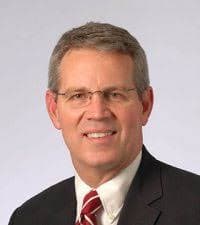
Medically reviewed by
Michael O. Koch, MD
John P. Donohue Professor of Urology at Indiana University School of Medicine. He chaired the university’s urology department from 1998 to 2024. Dr. Koch reviewed these TULSA pages on September 23, 2026 and sent the corrections included here. He is an author of the TACT five-year and CAPTAIN reports cited on these pages.
About Dr. Koch and his review →